
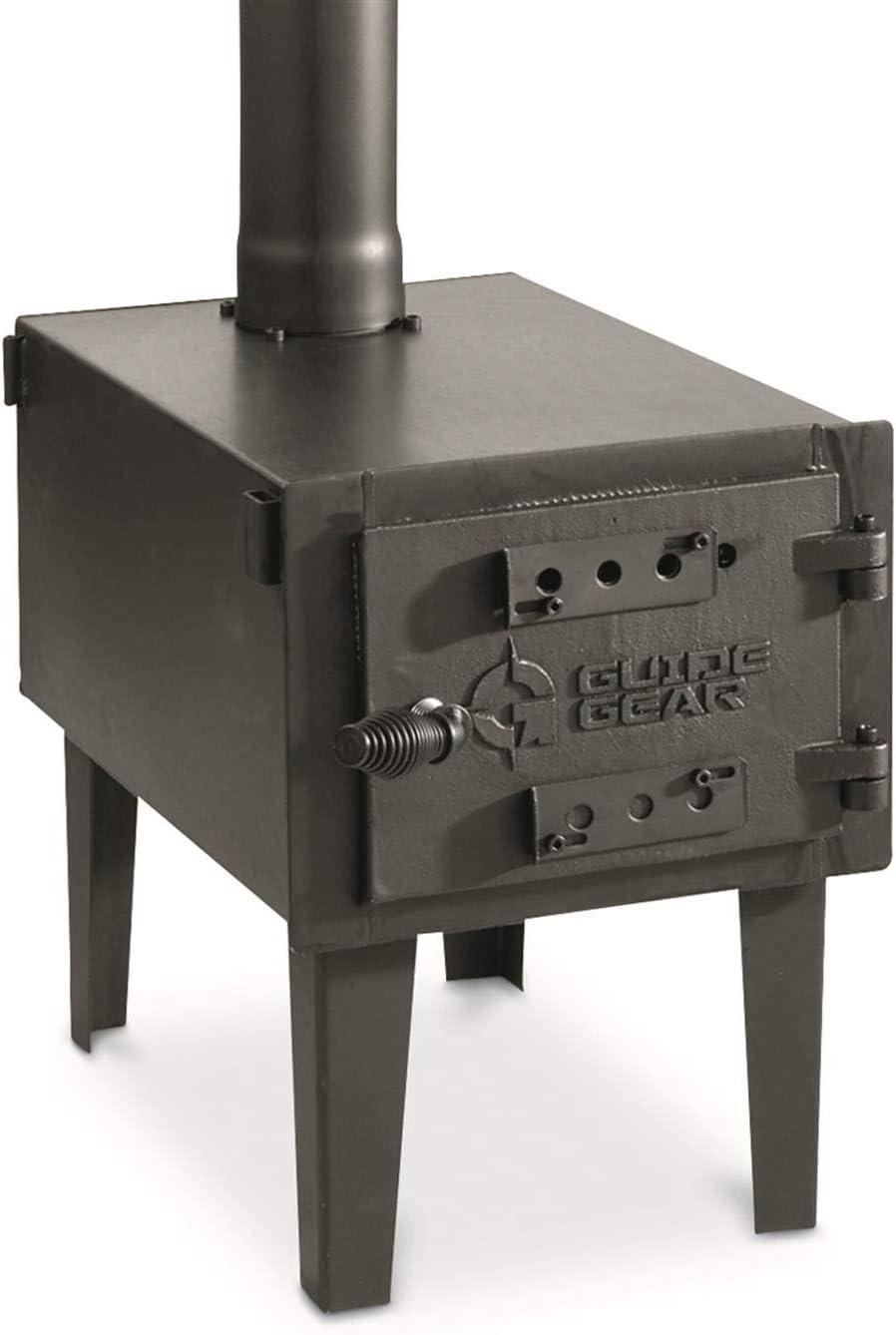
We’ve spent a long weekend breaking in the Guide Gear Outdoor Wood Burning Stove – the portable unit that promises to be a camp heater, a cooktop, and a packable companion for backyard fires. From the first clang of its galvanized steel firebox to the way its cast-iron front door seals with a satisfying thunk, this little stove announces itself as a tool built for use, not just display. We lit kindling, boiled water for coffee, and even fried up bacon and eggs on the flat top, so we could evaluate how it performs when it matters: in damp mornings, chilly evenings, and tight packing lists.
What drew us to the stove is the combination of straightforward engineering and portable convenience. The firebox is finished with heat-resistant coating, the front door vents let us control airflow, and the top platform doubles as a cooking surface for pots and pans. For transport, the five interlocking chimney pipes and detachable legs tuck neatly inside the body so the whole stove nests into itself – a promise of compactness we put to the test on the trail.
In this review we’ll walk through setup and teardown, how well it heats and cooks, durability under real use, and whether the portability claims hold up when we’re carrying gear and racing daylight. We’ll share what surprised us, what worked exactly as advertised, and where the stove left room for improvement – so you can decide if this Guide Gear stove is the right fit for your next outdoor escape.
Our First Look and Overview of the Guide Gear Outdoor Wood Burning Stove
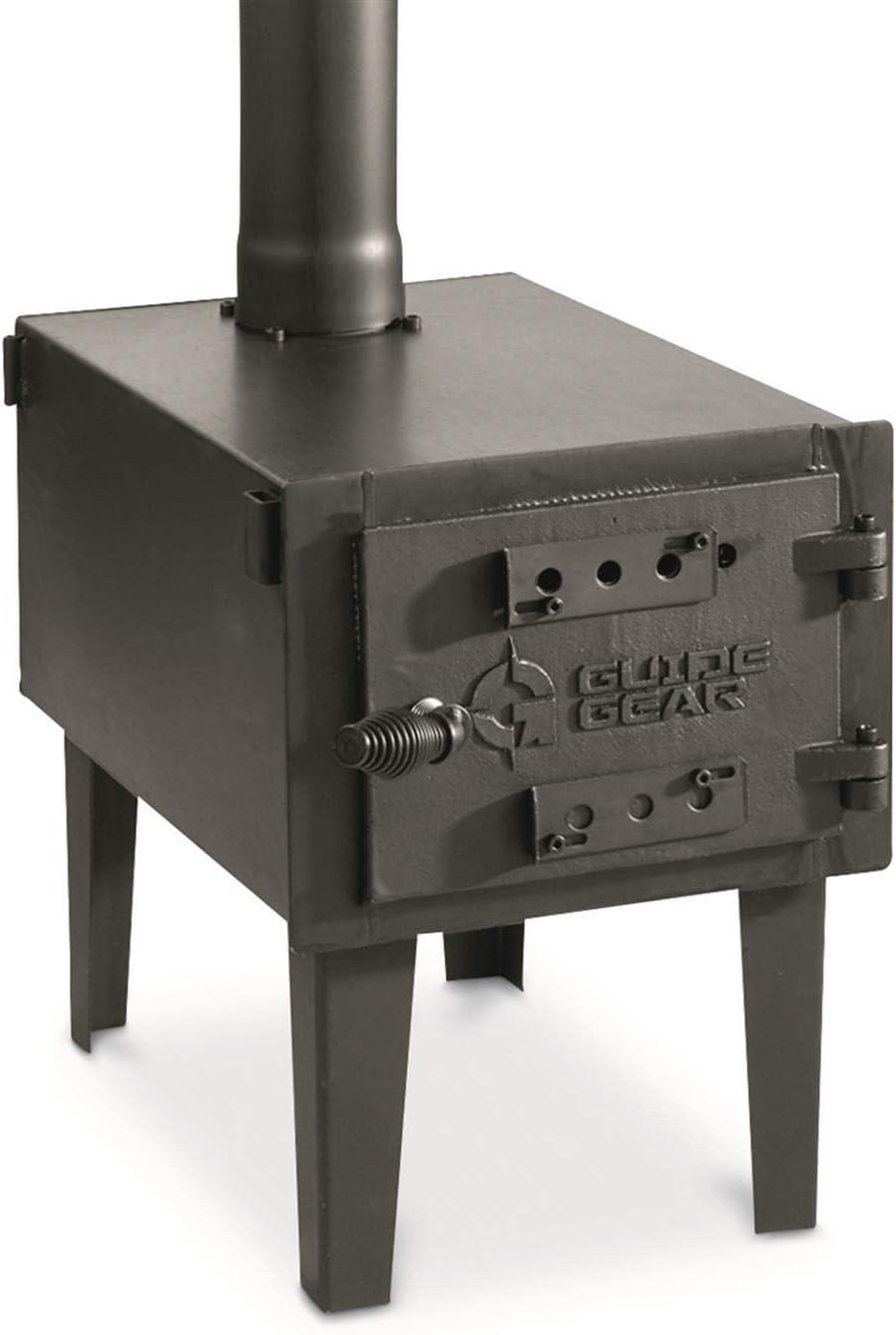
On first inspection we were struck by the rugged, no‑frills construction: a galvanized steel fire box finished to resist high heat and a heavy cast‑iron front door with adjustable air vents. The build feels durable, and when we burned kindling it acted as an efficient camp heater-providing steady warmth while the top plate quickly brought water to a boil and handled frying breakfast. The chimney pipes lock together cleanly and direct smoke away, so cooking on the stovetop felt practical rather than fiddly.
- Durable materials – galvanized steel firebox, cast‑iron door
- Heating performance – focused warmth from burning kindling
- Cooking versatility – top platform for pots, boiling, frying
- Packable design – interlocking pipes and detachable legs nest for transport
Portability is one of the more thoughtful aspects: five interlocking stove pipes and removable legs allow the entire unit to nest inside itself for storage or travel, which made setup and tear‑down straightforward during our outings. We also appreciated the practical details-air vents for flame control and a solid door to manage airflow-so this stove feels well suited to both backyard use and off‑grid campsites where simplicity and reliability matter.
| Feature | Quick Take |
|---|---|
| Material | Galvanized steel + cast iron |
| Fuel | Kindling wood |
| Portability | Nests inside itself |
| Best use | Camping & backyard cooking |
See current price and availability on Amazon
What We Noticed About Build Quality Portability Chimney Performance and Cooking Versatility
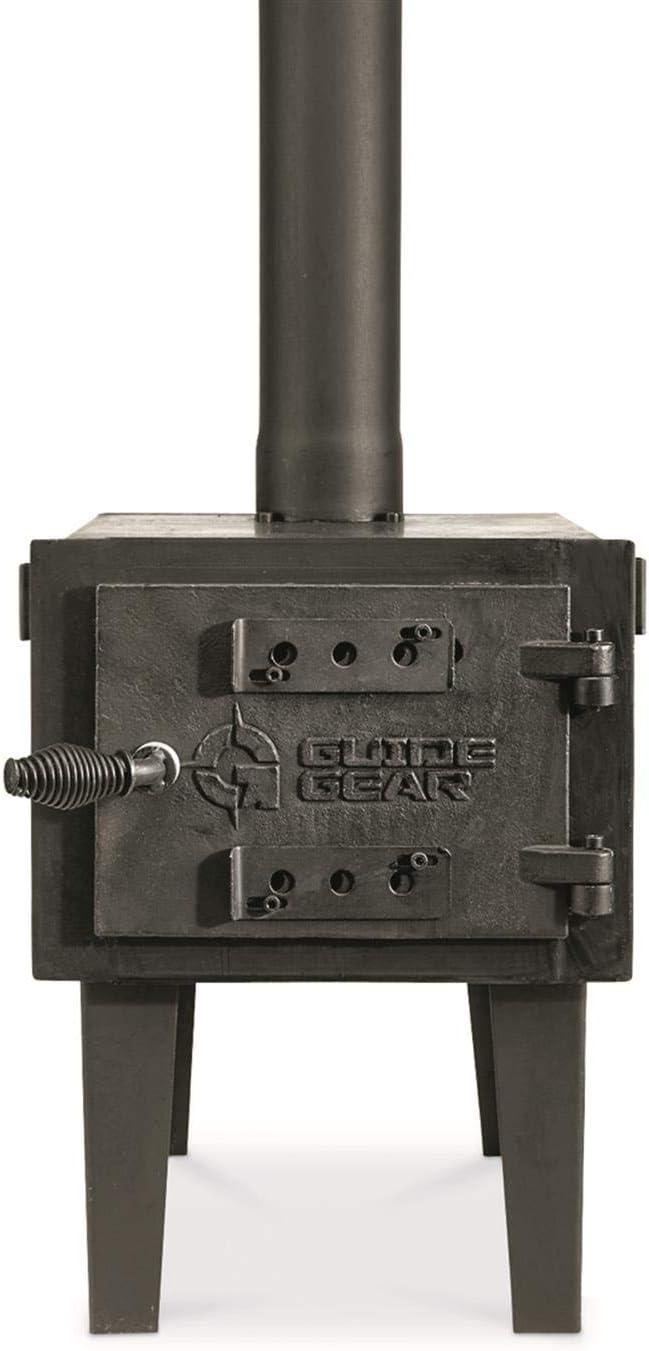
We were immediately impressed by the rugged construction – a galvanized steel fire box with a heat-resistant finish feels reassuringly solid, and the front door’s cast-iron build with air vent holes gives precise control over the burn. The chimney setup is simple but effective: the five interlocking stove pipes create a reliable draft, and the whole flue stashes neatly inside the body for transport. Durability and clever engineering are the standout notes here, and the detachable legs make setup quick even on uneven ground.
- Galvanized steel fire box – tough and heat-resistant
- Cast-iron door with vent holes – better burn control
- Five interlocking pipes – compact chimney, solid draft
- Detachable legs – stable, packable design
In practice the unit excels as both a camp heater and a compact cooktop: it handles kindling well for steady heat, and the top platform reliably supports pots for boiling water or frying breakfast. We found the cooking surface heats evenly enough to cook bacon and eggs or keep a saucepan simmering while the chimney maintains airflow. Below is a quick snapshot of how it performed for us in the field.
| Feature | Notes |
|---|---|
| Heating | Steady warmth from kindling |
| Cooking | Boils water; fries simple meals |
| Portability | Stows inside itself; light to carry |
| Setup | Quick assembly with interlocking pipes |
- Backyard warming during chill evenings
- Boiling water for coffee on early hikes
- Simple skillet meals at the campsite
Hands On Insights From Our Campsite Tests and Practical Recommendations for Buyers
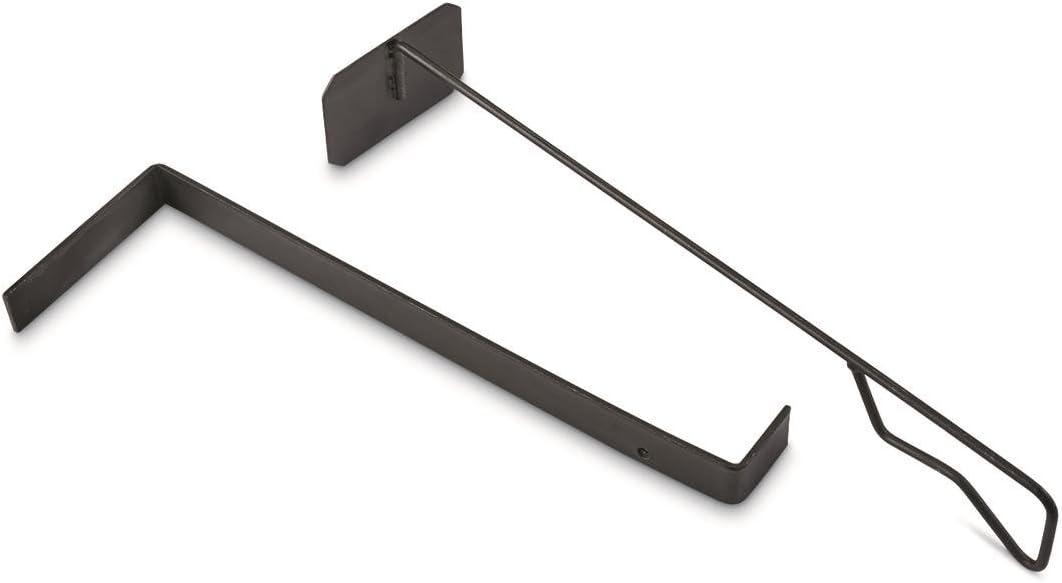
During our campsite tests we found the unit to be impressively sturdy and simple to operate. The galvanized steel fire box with a heat-resistant finish shrugged off overnight embers, while the strong cast iron front door – complete with air vent holes – gave us reliable airflow control for longer burns. It handled kindling wood easily, delivering steady warmth across our shelter and doubling as a compact camp heater when temperatures dropped. The top platform proved genuinely useful: we boiled water, simmered stews and even fried breakfast without fuss. Setup and takedown were faster than expected thanks to the five interlocking stove pipes and detachable legs, and the fact that the whole unit nests into itself made hauling gear back to the car much less of a chore. Our impressions at a glance:
- Build quality: Robust materials, minimal flex at joints.
- Heating: Efficient for small outdoor spaces and quick to warm up.
- Cooking: Stable top platform for pots and skillets.
- Portability: Packs compactly; pipes nest inside the fire box.
| Quick Spec | Summary |
|---|---|
| Body | Galvanized steel |
| Door | Cast iron with vents |
| Pipes | Five interlocking |
| Main Uses | Heating & cooking |
Buyer tips: use it outdoors only, pack dry kindling, assemble on level ground, and let the chimney draft fully before cooking. If you want a compact, hardworking camp stove that also serves as a reliable outdoor heater, check current availability and specs for your trip needs – secure yours here: Shop on Amazon
Pros & Cons
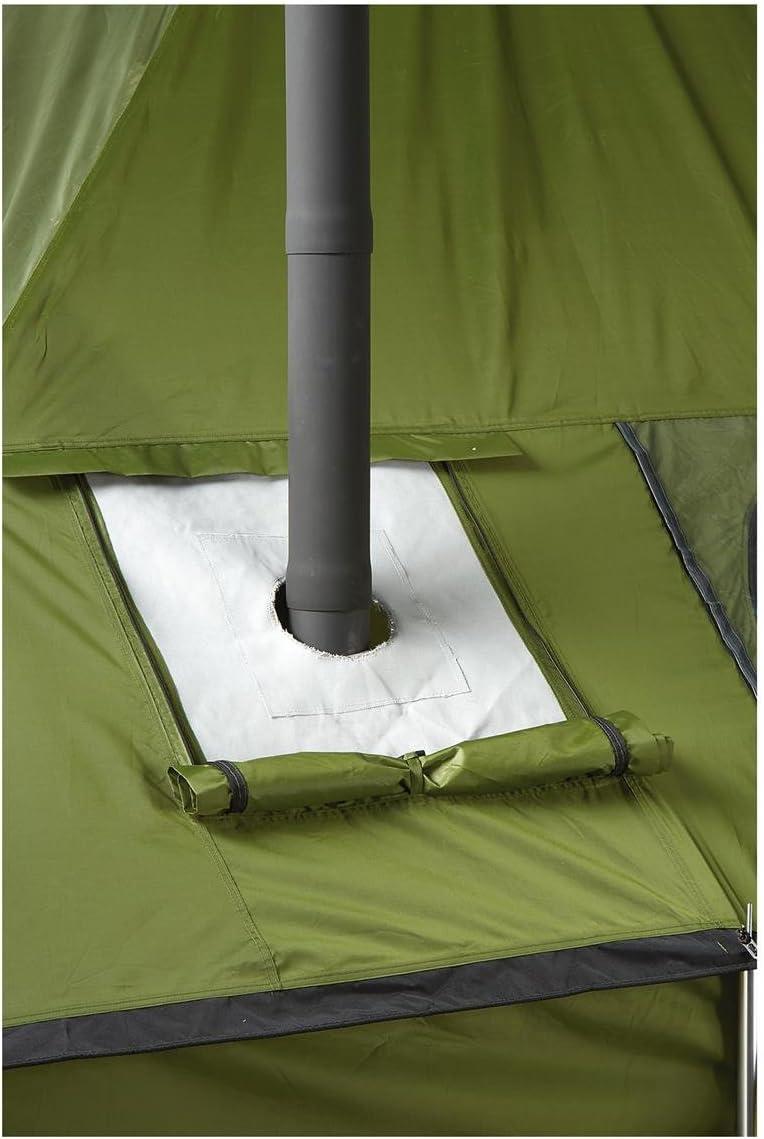
Pros & Cons
After several weekends of testing the Guide Gear Outdoor Wood Burning Stove, we’ve boiled our experience down to the highlights and the trade-offs. Below you’ll find what we liked most and where we think this stove could be improved.
Pros
- Built to last: The galvanized steel firebox with a heat‑resistant finish and the cast‑iron front door feel solid – we trust it to withstand regular outdoor use.
- Real heat output: It’s an effective camp heater when we burn kindling, warming a small campsite or backyard gathering quickly.
- Cooking-friendly top: The flat top works well for boiling water, frying eggs, or keeping a pot hot – simple camp meals become easy.
- Thoughtful portability: Five interlocking chimney pipes, detachable legs, and the “nest inside itself” design make it compact to transport and store.
- Versatile outdoor tool: We liked that it serves double duty as a heater and a cooker, so it reduces the gear we need to bring.
Cons
- Not for indoor use: This stove is strictly outdoors – we had to be mindful of placement, wind, and sparks at all times.
- Assembly and setup: Paired chimney sections and legs take a bit of time to assemble and disassemble; it’s not instant when arriving at camp.
- Cooking limitations: The top surface is practical but small – we had to juggle pots or cook in batches for larger groups.
- Weight and handling: The cast‑iron door and steel body add robustness but also weight; carrying it solo can be awkward for longer hikes.
- Maintenance: Ash removal and occasional soot buildup require regular cleaning; there’s no built‑in ash pan to simplify that.
| Quick Snapshot – Pros | Quick Snapshot – Cons |
|---|---|
| Durable construction | Assembly takes time |
| Good heat & cooking surface | Small cooking area |
| Nests for transport | Heavier parts (cast iron) |
In short, we like this stove for weekend camping and backyard use when we want dependable heat and a simple cooktop – just be prepared to manage assembly, transport, and outdoor safety each time we light it.
Q&A
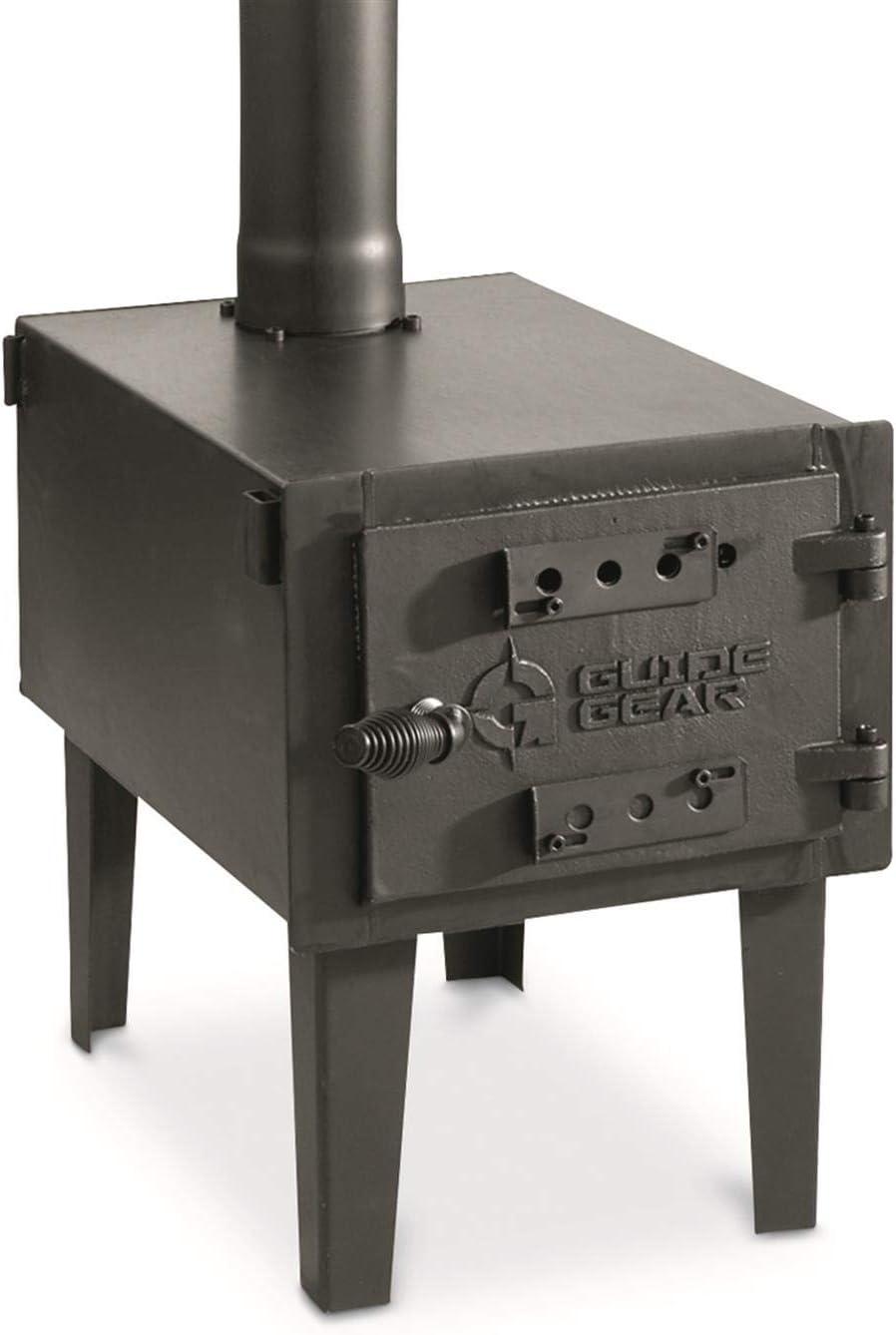
Q: What exactly is the Guide Gear Camping Wood Stove?
A: It’s a portable, outdoor wood-burning stove with a galvanized steel fire box, a cast-iron front door with adjustable air vent holes, and a removable chimney made of five interlocking stove pipes. The top platform doubles as a cooking surface for pots and pans, and the whole unit nests inside itself for transport.
Q: How easy is it to set up and take down?
A: We found the setup straightforward. The pipes interlock, the legs detach, and the sections stack into the stove body. It’s designed with simplicity in mind, so you don’t need complicated tools-just a bit of patience and care when seating the chimney sections.
Q: Is it really portable?
A: Yes. The stove’s nesting design makes it surprisingly compact for storage and transport. It fits well in a trunk or gear box. It’s not ultralight backpacking gear, but for car camping, backyard use, or short hikes with a vehicle nearby, its portability is a big plus.
Q: Can you cook on it? What can we make?
A: Absolutely. The top platform gets hot enough to boil water, heat pots and saucepans, and cook simple camp meals-think coffee, eggs, bacon, stews, and soups. We recommend using stable cookware and watching pot balance; smaller, flat-bottomed pans work best.
Q: How well does it heat an area?
A: The galvanized steel fire box and cast-iron door give off steady radiant heat, and the chimney helps pull air for efficient burning. It’s excellent for warming a small outdoor seating area or drying damp gear. Don’t expect indoor furnace-level heat-this is a campsite or backyard heater.
Q: What fuel does it use?
A: We use kindling and small pieces of dry wood. The stove burns best with dry fuel; larger logs can be used depending on how much heat and burn time you want, but overloading can smother the fire or put stress on the unit.
Q: Does the chimney really reduce smoke?
A: The chimney improves draft, which helps combustion and reduces low-lying smoke compared with an open pit. It won’t eliminate smoke completely-wind, wet wood, and how you feed the fire all affect smoke levels-so site the stove upwind from your seating area.
Q: Is it safe to use inside a tent or enclosed space?
A: We do not recommend using this stove inside tents or enclosed spaces unless the tent is specifically rated for a wood stove and equipped with a proper stove jack and ventilation. The manufacturer designs it for outdoor use; always operate on level, non-flammable ground, maintain clearance from flammable materials, and follow local fire regulations.
Q: How durable is it and how do we maintain it?
A: The galvanized steel fire box and cast-iron door feel robust in our experience. To prolong life, let the stove cool fully before packing, remove ash, and keep it dry-galvanized metal can corrode faster if stored wet. A light brush or damp cloth for cleanup and storing it indoors between trips will keep it in better shape.
Q: Any tips for maximizing performance?
A: Use dry kindling to get the chimney drafting quickly, feed small, consistent pieces of wood, and use the door vent to control airflow. Position the stove with a modest windbreak if conditions are gusty, and use cookware with flat bottoms to improve contact with the hot surface.
Q: What are the downsides or things to watch for?
A: It’s heavier and bulkier than ultralight stoves, so it’s best suited for car or basecamp use. The top surface can be uneven for larger cookware, and the unit will need regular ash removal. Also, because it’s for outdoor use, we always check local burn restrictions before firing up.
Q: Who would we recommend this stove for?
A: We’d recommend it for campers who want a multipurpose stove/heater for car camping, backyard hangouts, or basecamp setups-anyone who values a solid, wood-burning option for cooking and warmth and who doesn’t need ultralight portability.
If you want, we can add a short checklist for packing, or a quick walkthrough of how we assemble and light ours. Which would you prefer?
Achieve New Heights
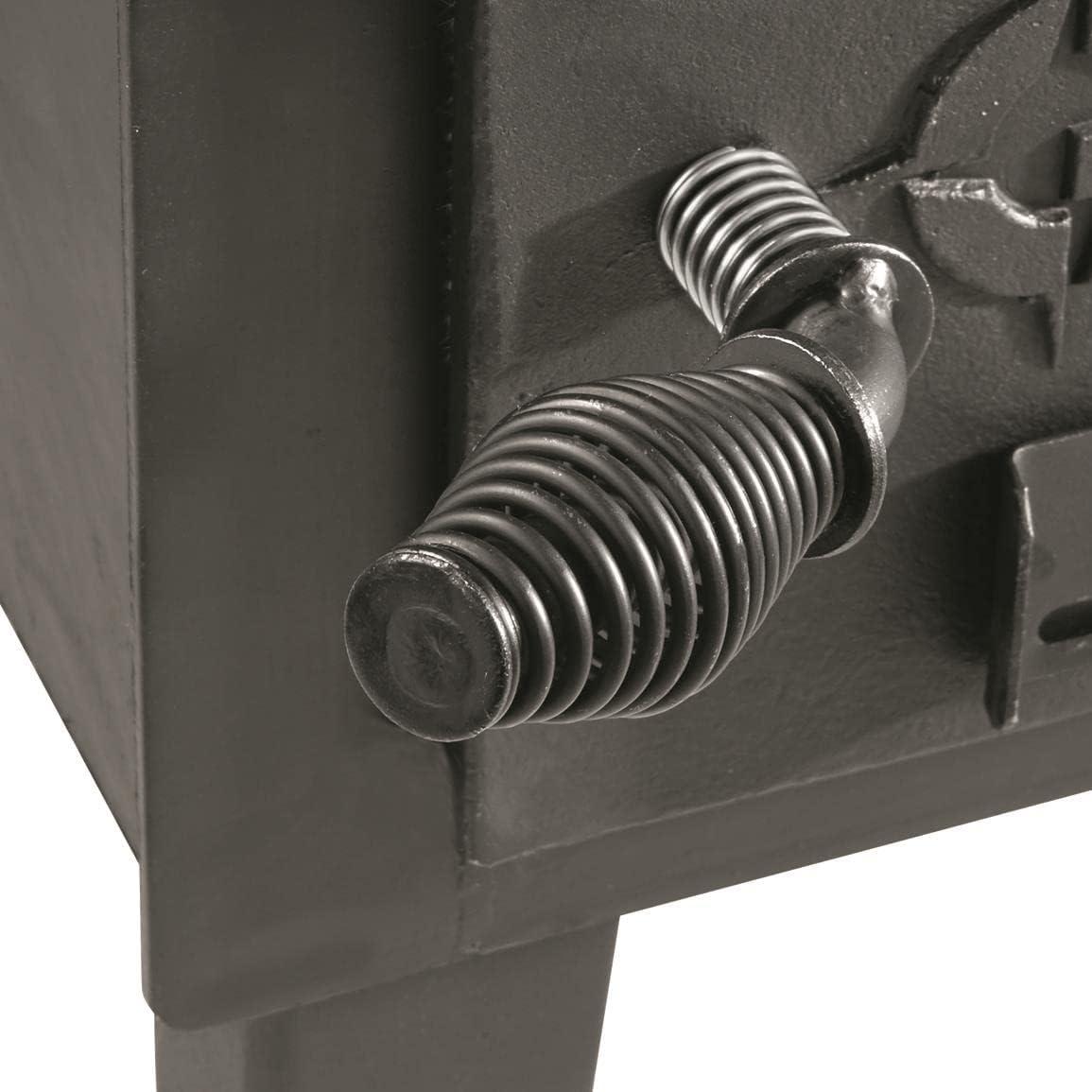
We’ve enjoyed how the Guide Gear Outdoor Wood Burning Stove turns a simple camp setup into a cozy, practical hearth. Its galvanized steel firebox and cast-iron door feel built to last, the top platform reliably handles pots and kettles, and the stove’s heating and cooking versatility makes it useful from chilly mornings to late-night meals. Best of all, the five interlocking chimney pipes and detachable legs let the whole unit nest into itself for surprisingly compact transport.
If you’re after a straightforward, outdoor-only stove that balances durability, cooking capability, and portability, this one fits the bill. We’ll keep reaching for it on weekend trips and backyard gatherings when we want dependable heat and a hot cup of coffee without fuss.
Ready to see it for yourself? Check the Guide Gear Camping Wood Stove on Amazon
Reviews
There are no reviews yet.